Try ShortPoint now
ShortPoint stands by this principle: "Security is only as strong as the people behind it." We believe that protecting our customers' data and keeping our systems secure isn't just about technology; it's also about people.
We understand that creating a company culture for security means fostering the people who monitor and administer it. The strength of our security measures depends on the dedication, awareness, and ethical standards of every person on our team. That's why we've built a security-focused culture based on four key pillars: careful hiring practices, thorough security training with clear ethical standards, and transparent accountability. Let's walk you through each pillar.
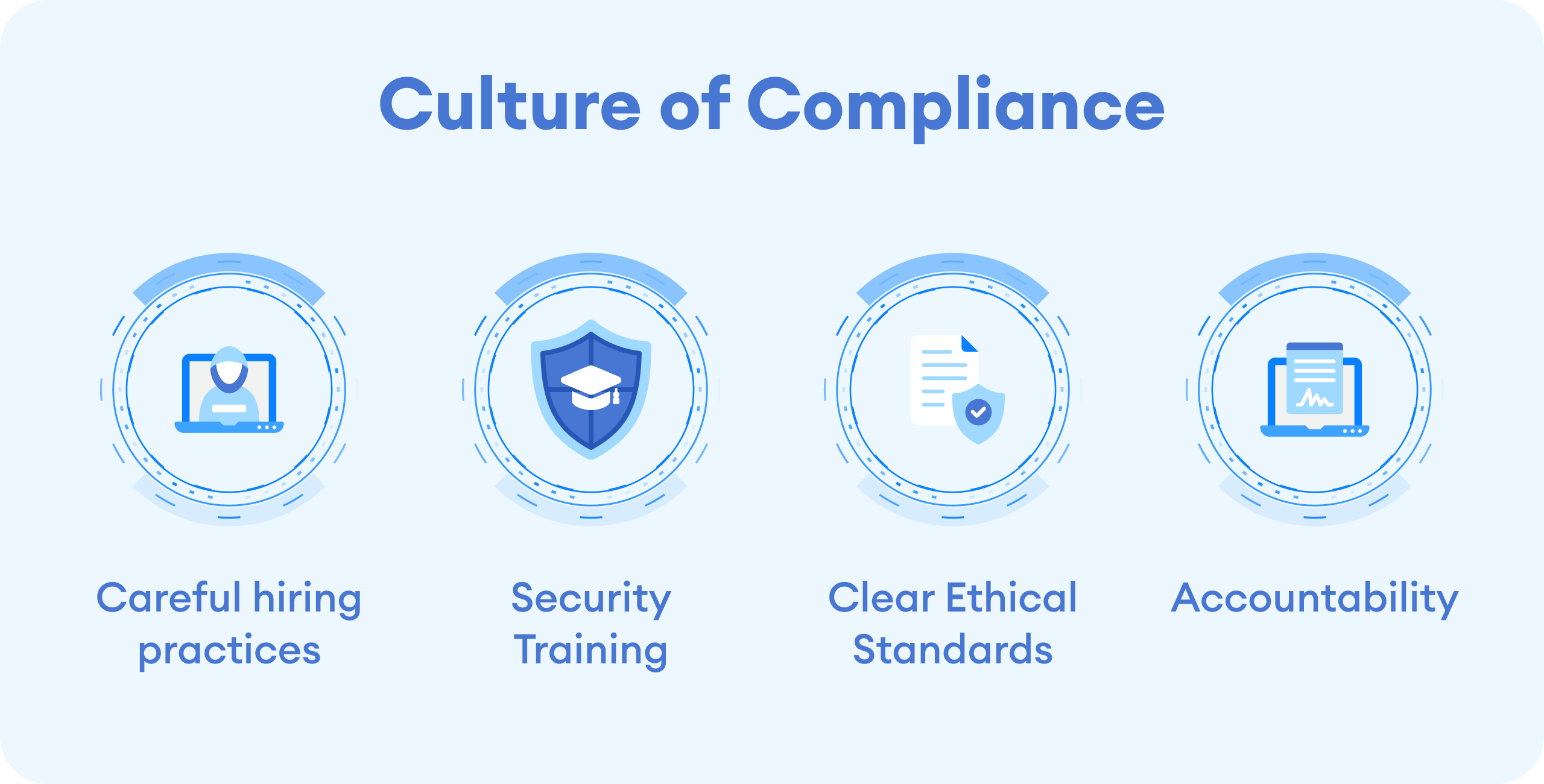
TABLE OF CONTENTS
- Starting A Good Security Culture: Our Hiring Process
- Investing in Knowledge: Security Training Efforts
- Taking Responsibility: Accountability and Consequences
- Commitment to a Strong Security Culture
- Frequently Asked Questions
- Why is creating a company culture for security important?
- How does ShortPoint build a robust security culture?
- What role does employee accountability play in security culture?
- What kind of security training does ShortPoint provide?
- How does ShortPoint ensure that new hires are suitable for sensitive roles?
- How does ShortPoint handle violations of security policies?
- What is the impact of fostering a sustainable security culture?
- How does ShortPoint's approach support the broader company culture?
Starting A Good Security Culture: Our Hiring Process
Building a robust security culture begins with bringing the right people on board.
Before anyone joins the ShortPoint team, we conduct thorough background verification checks. These checks are part of our standard hiring process and help us ensure that new team members are well-suited for their roles and aligned with our security best practices. We handle this screening responsibly, following all legal and ethical guidelines while matching the depth of our review to the sensitivity of the information each person will access. Independent auditors regularly review our screening practices to confirm they're working effectively and supporting our overall security program.
We also make sure that every new hire signs a confidentiality agreement on their first day. This reinforces our commitment to protecting sensitive information from the start and emphasizes the importance of employee accountability in maintaining our organization's security culture.
Investing in Knowledge: Security Training Efforts
We make sure everyone at ShortPoint has the tools and knowledge they need to maintain our strong cybersecurity culture and uphold our security best practices.
Cybersecurity awareness training is essential for helping our team understand current security initiatives, recognize security risks, and appreciate the real-world impact of security incidents and data breaches. Every new employee completes cybersecurity training during onboarding. We also provide ongoing training programs to all team members throughout their time with us. These sessions cover security and privacy requirements, as well as secure practices for using company information and resources appropriately. This helps motivate employees to adopt good security habits.
Team members also review and acknowledge our Information Security policies, which explain the security expectations specific to their roles. This approach helps us foster a security-first company culture and reinforces the importance of every individual's role in maintaining the organizational culture of security.
Taking Responsibility: Accountability and Consequences
High standards only work when there's a clear system for ensuring everyone follows them. That's exactly why ShortPoint has a Code of Conduct. Here, we have spelled out our expectations for ethical behavior. We expect every team member to be honest, act ethically, and demonstrate integrity in everything they do, while following all applicable laws, security policies, and security protocols.
When a team member gets hired, they are required to acknowledge our Code of Conduct. It includes clear policies about the consequences of non-compliance, reinforcing the importance of security practices and reporting security incidents promptly. We use a fair disciplinary process that provides structured corrective action and helps prevent repeated issues, particularly when someone is suspected of a security breach or engages in risky behavior. When determining the appropriate response to a violation, we consider relevant factors such as the person's training history, adherence to security protocols, and the severity of the offense.
Failing to follow our Code of Conduct or other security policies can result in disciplinary action, up to and including termination of employment. In cases of serious misconduct, we reserve the right to terminate employment immediately. This firm approach ensures that everyone understands their role in maintaining our security culture and the serious nature of violating security best practices.
Commitment to a Strong Security Culture
ShortPoint's culture of security starts with the people behind it. By carefully selecting our team, investing in ongoing employee education and training programs, setting clear ethical expectations, and maintaining fair accountability, we create an environment where security and compliance naturally thrive. This comprehensive approach helps us support a sustainable security culture.
Frequently Asked Questions
Why is creating a company culture for security important?
A strong security culture is essential to protect sensitive data, prevent security breaches, and reduce cyber risk. It ensures that all employees understand their role in maintaining a secure environment and fosters a security-first company culture that supports the entire organization.
How does ShortPoint build a robust security culture?
ShortPoint focuses on four key pillars: careful hiring with thorough background checks, comprehensive security training and employee education, clear ethical standards outlined in a Code of Conduct, and transparent accountability. This approach helps motivate employees to adopt good security habits and maintain the organization's security posture.
What role does employee accountability play in security culture?
Employee accountability is critical. By signing confidentiality agreements and acknowledging the Code of Conduct, employees commit to following security policies and security protocols. Clear consequences for non-compliance reinforce the importance of responsible behavior and help prevent risky behavior and security incidents.
What kind of security training does ShortPoint provide?
ShortPoint delivers ongoing cybersecurity awareness training covering current security initiatives, security risks, and secure practices. New hires complete training during onboarding, and all team members receive continuous education to keep their knowledge current and aligned with the organization's security strategy.
How does ShortPoint ensure that new hires are suitable for sensitive roles?
Before hiring, ShortPoint conducts thorough background verification checks tailored to the sensitivity of information the employee will access. Independent auditors review these practices regularly to ensure they support a strong security culture and protect the organization's assets.
How does ShortPoint handle violations of security policies?
Violations are addressed through a fair disciplinary process that considers the severity of the offense and the individual's training history. Consequences can range from corrective actions to termination of employment, especially in cases of serious misconduct.
What is the impact of fostering a sustainable security culture?
A sustainable security culture creates an environment where security and compliance naturally thrive. It supports continuous improvement in employee behavior, reduces human error, and strengthens the organization's overall defense against cyber threats.
How does ShortPoint's approach support the broader company culture?
By integrating security awareness into daily operations and promoting clear communication channels, ShortPoint embeds security into the broader company culture. This holistic approach encourages all employees to actively participate in human risk management and maintain a strong security posture.
Related articles:
- How ShortPoint Classifies and Encrypts Data
- Continuous Defense: ShortPoint’s Program for Proactive Data Security
- Security by Design: How ShortPoint Protects Data
- Zero Trust Access: How ShortPoint Keeps Data Safe with Smart Security
- Security in Software Development Life Cycle: How ShortPoint Keeps the Development Lifecycle Safe and Secure
- Organizational Resilience: How ShortPoint Ensures Business Continuity
- SOC Compliance: How ShortPoint is Committed to Validating its Security Measures
- Privacy by Design: How ShortPoint Complies with the General Data Protection Regulation